USF Policy Lab Projects
BenMAP-CE vs. Economic Theory:
Where Practice Departs from the Ideal
USF Faculty: Andrew Hobbs, Economics
Students: Chris Tsang
Community Partners: California Environmental Protection Agency (CalEPA), and the Office of Environmental Health Hazard Assessment (OEHHA)
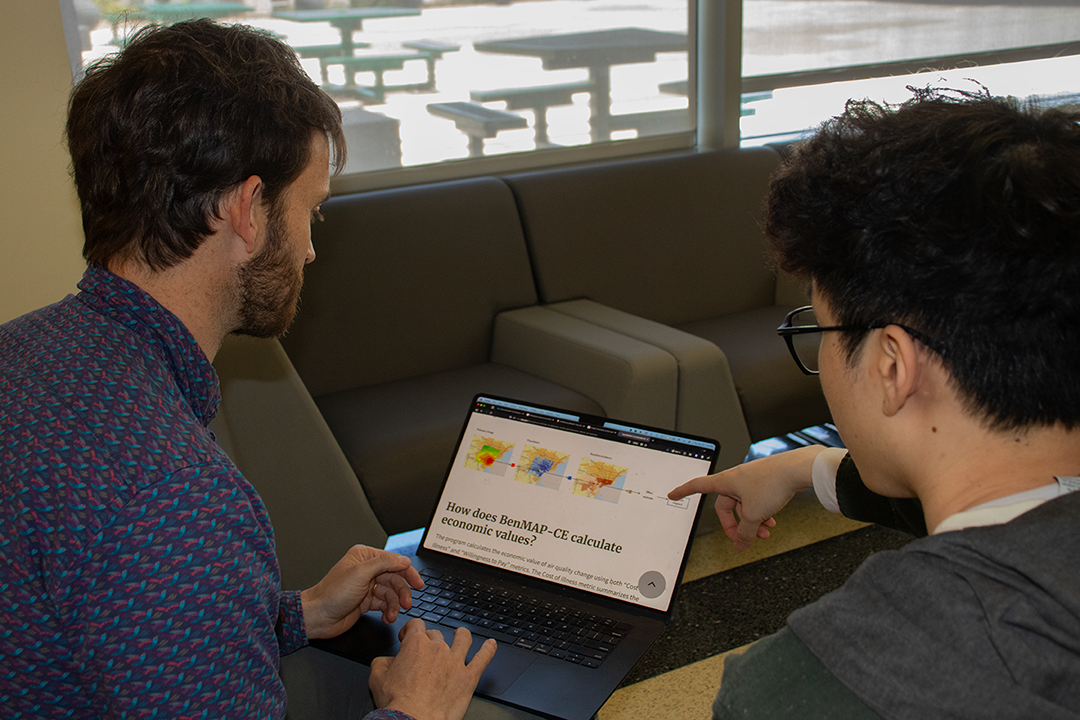
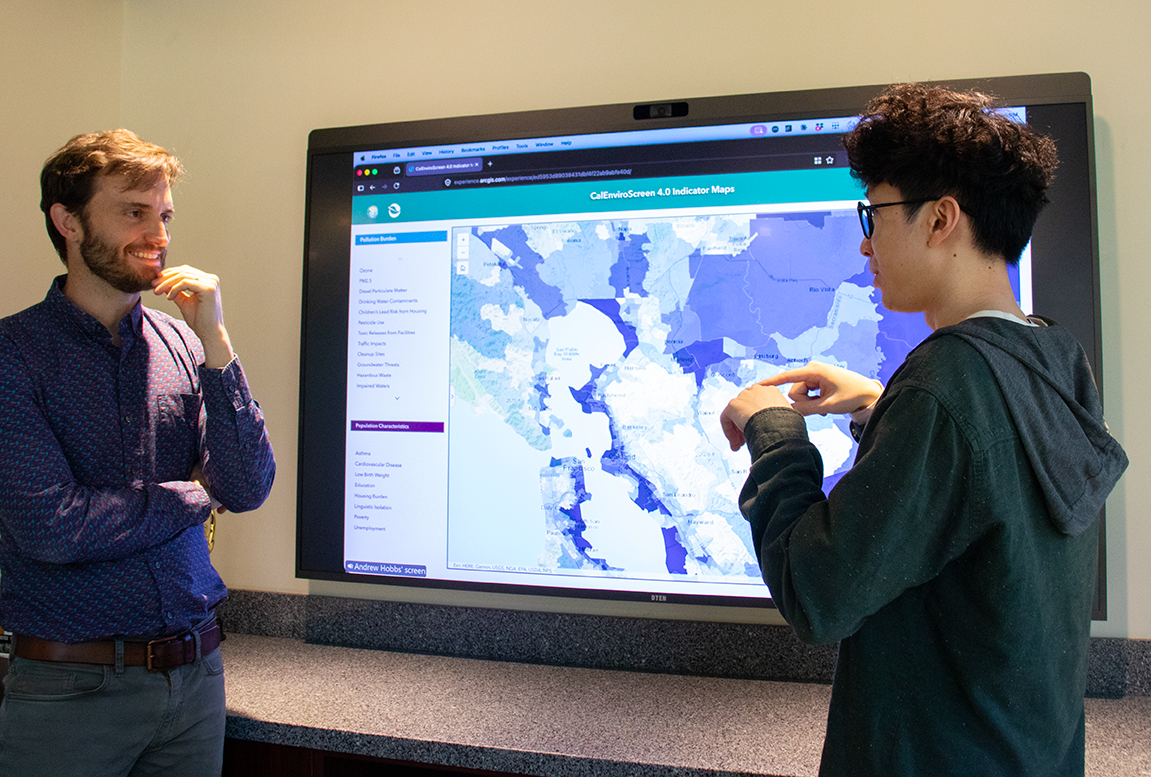
This capstone project evaluates EPA's BenMAP-CE tool — the standard system for estimating the health and economic benefits of air quality regulations — against what welfare economics theory identifies as the ideal approach. The analysis compares BenMAP's methodology at both the epidemiological and economic valuation stages, drawing on over 30 papers from the environmental, health, and welfare economics literatures. The overall finding is that BenMAP's modeling choices likely produce conservative (understated) estimates of the true welfare costs of air pollution, with important caveats regarding distributional accuracy.
We reviewed EPA's BenMAP-CE documentation and compared its methodology against the academic economics literature, including quasi-experimental studies of air pollution health effects, welfare economics theory on willingness-to-pay measures, and health economics research on the Value of a Statistical Life. This research directly impacts air quality regulation and environmental health policy. The findings are relevant to how federal and state agencies quantify the health benefits of Clean Air Act regulations and other environmental rules. Communities most affected include populations exposed to air pollution — particularly disadvantaged communities that bear disproportionate pollution burdens — since more accurate benefit estimates can strengthen the case for protective regulation.
The San Francisco Policy Lab
Konrad Posch, PhD, Managing Director