What are Arrupe Immersions?
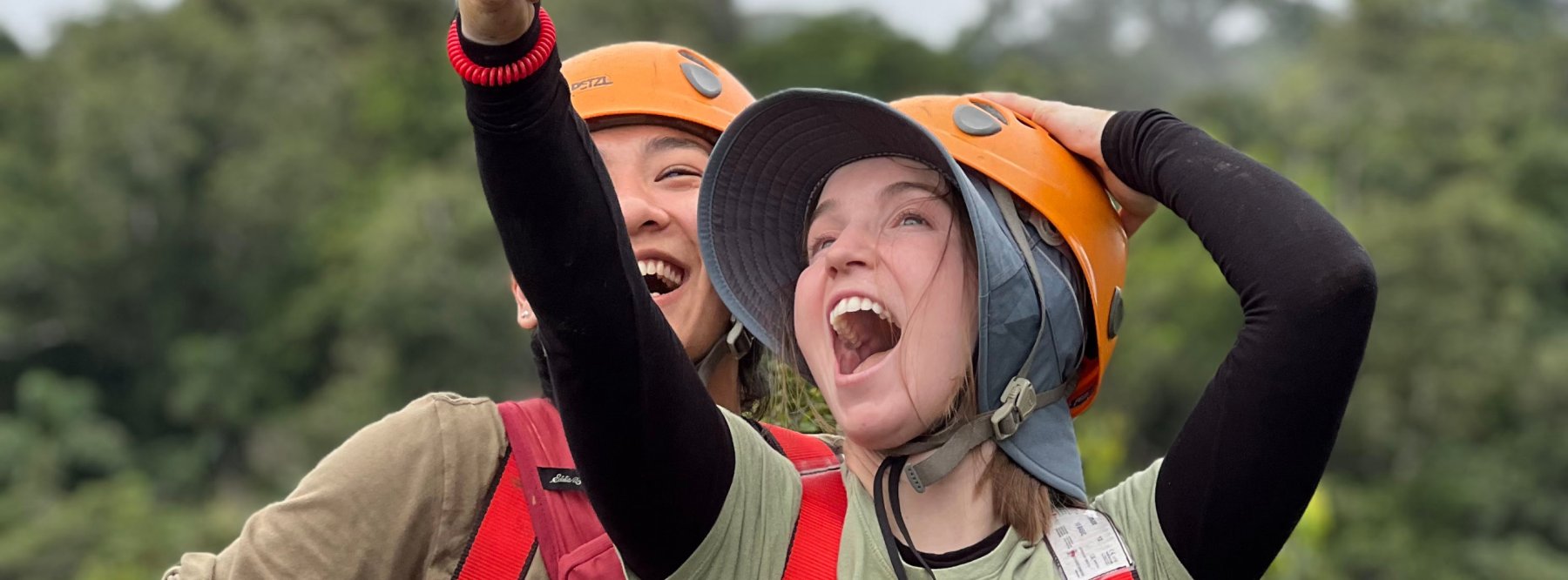
Arrupe Immersions are local and global experiences designed to open participants' eyes to the realities of the world. Each immersion is constructed around specific social justice issues, where participants learn to recognize injustices in a context that is different to their own, practice solidarity with marginalized communities, and allow those experiences to inform their vocational discernment. Immersions are not vacations, but rather a unique opportunity for Dons to expand their worldview, sometimes through discomfort, and engage their community through empathy, allowing for deep reflection and introspections, which will undoubtedly invite participants to consider their place in the world.
Each immersion experience is unique for each participant. Regardless of your major or background we invite you to take part in an experience of a lifetime. In which, you will be able to experience a different world perspective but also to be an agent of change wherever you are.
The Immersion Process & Timeline
Application process 2026 - 2027
Thank you for your interest in the Arrupe Immersion Programs!
We are very excited to have you be a part of this remarkable experience. To see a list of our current immersions, please visit our current immersions page to learn about the different programs.
- Early Applications Due | April 24, 2026 | Apply Now
- Priority Interview Offers: April 27 - 30, 2026
- Priority Applicant Decisions: May 8, 2026
- Fall Semester Deadline | September 11, 2026
- Fall Semester Interview Offers for all Immersions| September 15 - 30, 2026
- Fall Semester Decisions for all Immersions| October 5, 2026
- Deposit Deadline for 2026-2027 Immersions: October 12, 2026.
- SCHOLARSHIPS: Limited Scholarships Available! Please fill out the immersion application form to apply for a scholarship.
Note: Immersion trips subject to change and/or cancellation depending on number of participants per trip.
Students graduating in the Spring semester are not eligible to participate in the Summer Immersion programs. Exceptions: students who are walking in the Spring Commencement ceremony, but will continue to be enrolled in either summer classes or will be a continuing student in the following Fall semester.
*Interviews will be in person or through Zoom. Invitations will be offered via email. If you have any questions, please contact Sarah Manzano.
After applying and being selected for an immersion trip, students will submit a $300 deposit by the deadline to reserve their spot in the immersion.
After confirming space by submitting all necessary requirements, students participate in the pre-immersion preparation process. Immersion teams will meet at least 4-5 times leading up to the immersion and all participants will attend a Pre-Immersion meeting. Immersion participants commit to attending all team meetings in order to participate in the immersion program.
The pre-immersion meeting is intended for team building and reflection covering themes that will be deepened through the immersion itself. The rest of the meetings are opportunities for your team to reflect, share and get to know one another, learn more about the community you will be visiting and the current issues facing that community, and the best ways to prepare for the immersion, e.g trip preparation, travel, forms, etc.
Note for International Students: If you are a student on an F-1 or J-1 Student Visa and are accepted for an international immersion, please verify if you need a Tourist Visa to visit. Please note that the visa process may take up to 4 to 6 months, perhaps longer, to acquire. Please visit the International Student and Scholar Services (ISSS) office on the UC 5th Floor for guidance on how to obtain a visa.
During your immersion, you will be accompanied by a Resident Minister and/or an Immersion Companion (USF faculty, staff, or graduate student), and a Student Leader. Your immersion team will be hosted by a local organization that is part of the Jesuit Global Network. Each immersion varies in terms of activities you will participate in so please be open and flexible. During your immersion, you will have the opportunity to engage with the local community and learn about the issues facing its members. You will also have the opportunity to connect with the other immersion participants and share reflections about the impact of the experience.
While the immersion has ended, the full experience is a journey that is never truly over. More than an end goal, we believe that the immersion itself is a starting point for ongoing reflection and critical engagement. For this reason, participants commit to assisting to the post-immersion meeting and, two subsequent meetings upon return. These allow the continued critical engagement, experience sharing, and determining the next steps towards integrating the immersion experience into life at USF and beyond.
Resident Ministers, UM staff members, and other members of the USF community are here to assist as you integrate your immersion into post-immersion life.
PROGRAM LEARNING OUTCOMES & Policy
Through these immersion programs, participants will:
- Recognize the human dignity and inherent value of each person.
- Understand the Catholic, Jesuit tradition of faith, justice and solidarity.
- Learn about the historical, social, and political realities of the immersion site.
- Engage in experiences that will inspire them to interpret the world around them, challenge their perceptions, and advocate for the change they desire.
- Practice critical reflection through attention thoughtful attention to the influences and meaning of these experiences.
- Allow our discernment to shape, transform our purpose in the world, and deepen our commitment to ongoing spiritual reflection and discernment.
- Actively develop relationships of compassion, justice, and advocacy.
- Abide by the University Ministry Immersions Program Policy. Students who do not follow the policy may be withdrawn from the program.
Who was PEDRO Arrupe?
Pedro Arrupe, S.J., was the 28th Superior General of the Society of Jesus, serving from 1965 – 1983. Fr. Arrupe was a man of great spiritual depth with a profound commitment to justice that permeated the work of the Jesuits. On February 5, 1991, Fr. Arrupe passed away but he left a legacy of ministry and leadership grounded in Christian faith that seeks to do justice. He hoped that every student at a Jesuit University around the world, would have an experience that was different from what they knew as individuals.