Dress For Success
You never got a second chance to make a first impression."
— Author unknown
Did you know that a hiring decision can take place within the first few minutes of your interview? This means that dressing appropriately is very important!
No one enjoys being judged for employment based on looks; we would rather be hired because of our skills and abilities. But like it or not, appearance does matter in the interview and on the job.
Your appearance can send messages to potential employers about your motivation, judgment, professionalism, and “fit” within the organization. For an interview, you want to communicate respect, so you should dress a little more conservatively and formally than employees typically dress at that organization.
You can check the company website or it’s perfectly appropriate to ask the person scheduling your interview for information on the company dress code. Rule of thumb: When in doubt, ask!
General Dress for Success Guidelines
There are three main categories of dressing for success: Business Professional, Business Casual, and Smart Casual. While there are no absolute rules regarding attire, here are some guidelines.
- The primary goal of dressing for your interview is to feel good and look professional. If you feel uncomfortable in an outfit - even if it fits and people say you look great - don’t wear it
- Quality, cut, and fit communicate a lot; avoid wearing a suit that is clearly too big or too small. Professional alterations can be a good investment
- Regardless of whether you are dressing in Business Professional, Business Casual, or Smart Casual wear for work, you should avoid dirty/wrinkled clothes, scuffed shoes, chipped nails, athletic clothing, sneakers, hiking boots, flip-flops, athletic sandals, and any shorts, skirts, or tops that are too short or tight for the office
NOTE: This information is purposely gender-neutral and inclusive of diverse ethnic, cultural, and religious backgrounds. Your culture, gender, and religious identity may influence your choice of attire. We encourage you to incorporate those elements into your dress for success wardrobe.
"Business Professional" Attire Means
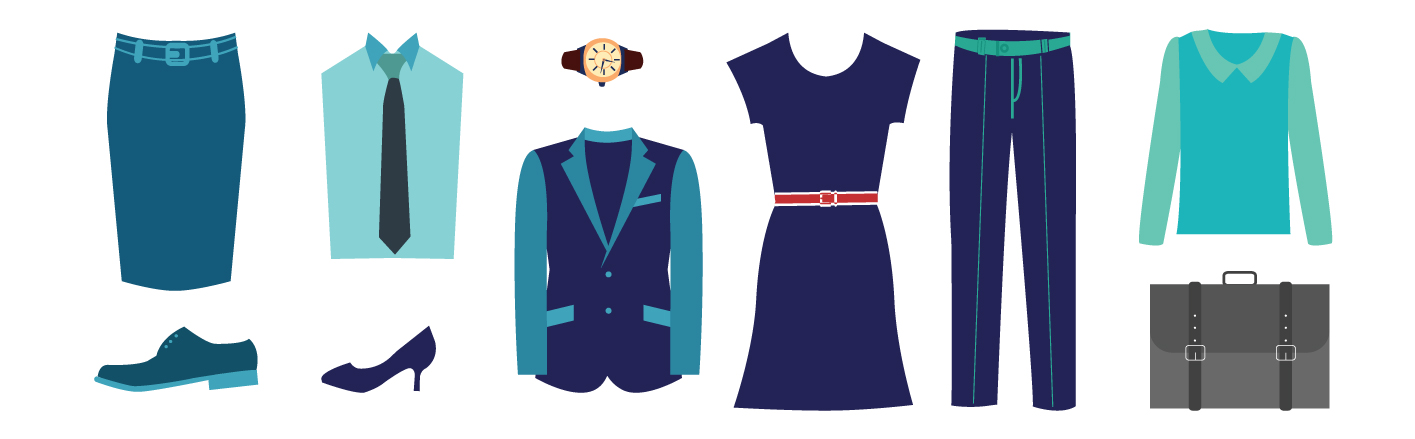
- Two-piece suit and tie; solid, neutral colors are best
- Skirt length should be to the knee—or close to it, depending on what length works for you
- Solid color or subtle patterned blouse/top/dress shirt
- Minimal jewelry
- Dark shoes with dark socks. If you are unsure which shoe or sock colors “go” with your suit, or what color belt you should pair with your suit/shoes, ask the Career Services Center staff for advice
- Closed-toe shoes (1 or 2 inches heel height) are appropriate but should be comfortable to stand and walk in; flats or wedges are okay as well
- Subtle makeup
- Trimmed facial hair
- Avoid colognes, perfumes, body sprays
- Carry a portfolio, professional bag or simple, small purse (no backpacks)
"Business Casual" Attire Means
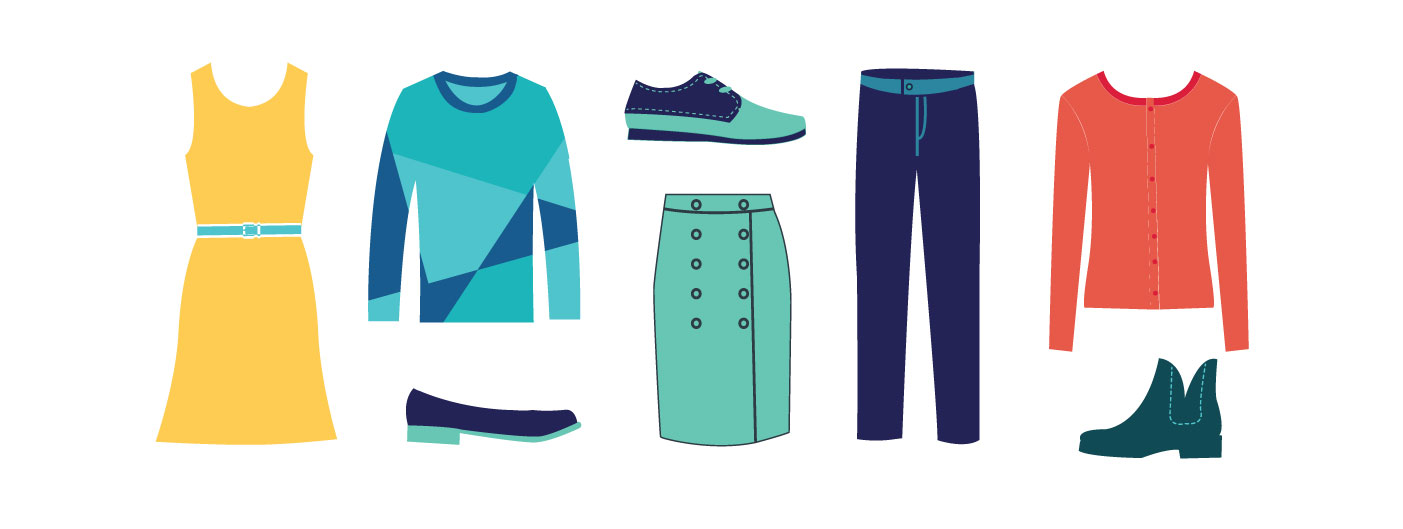
- Wearing a tie is optional
- Sport coats/blazers are appropriate, but not required
- Shirts should be collared (polo or button-down)
- Dress pant options include slacks, khakis, chinos (No leggings!)
- Dresses or skirt/blouse combinations are appropriate (sundresses are not appropriate)
- Shorts are not considered appropriate for interviews
- Good casual shoes, like loafers, flats, wedges, or low heels (sandals may be appropriate considering the climate – but no flip-flops!) or fashion sneakers.
- Subtle makeup
- Avoid colognes, perfumes, body sprays
"Smart Casual" Attire Means
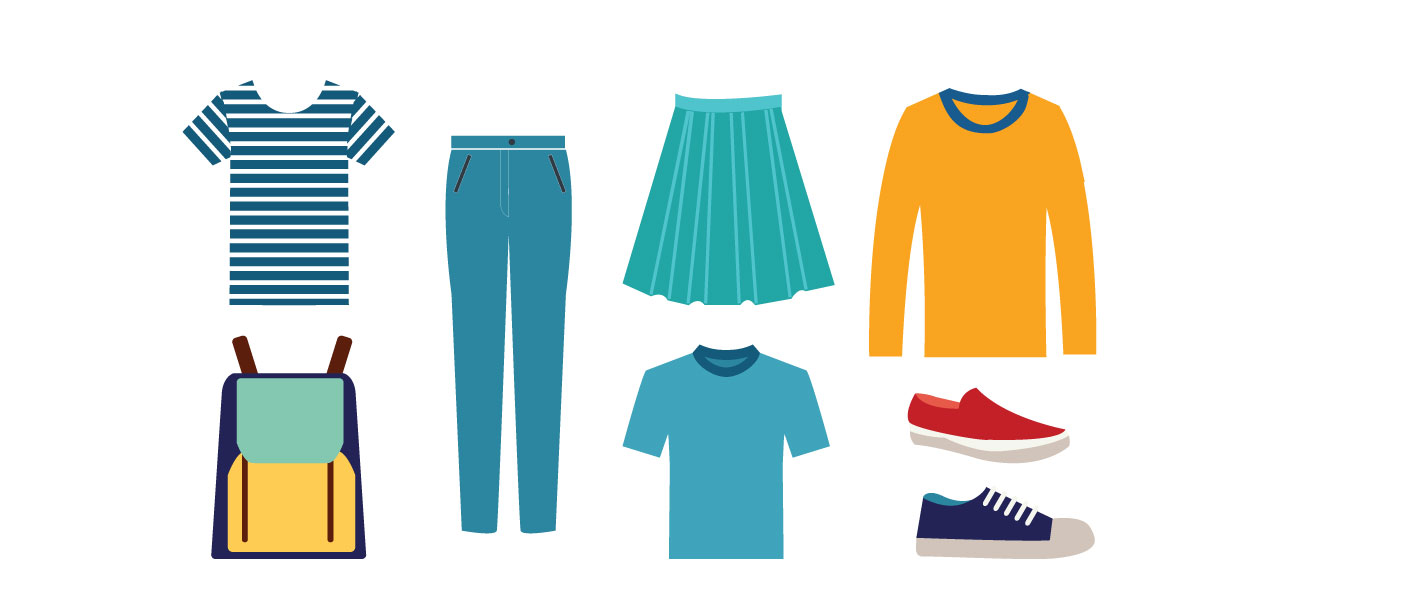
Anything listed as Business Casual, and:
- Jeans—avoid rips or holes; darker washes are generally considered more professional
- Clean, plain T-shirts
- Sandals may be appropriate, but not athletic sneakers or flip-flops!
- Avoid athleisure wear, spaghetti straps or camisoles, or any top that reveals too much bare skin
Other Considerations
Here's what can really hurt you in an interview, even if you are dressed perfectly. Be sure you pay attention to personal grooming issues before meeting with an employer:
- Consider and research possible industry and location specific guidelines and remember, the rule of thumb is that it is better to overdress than underdress.
- Make sure to completely turn your phone OFF before the interview — the vibrate setting can still be distracting and interrupt the flow of your conversation with your interviewer.
- Iron your clothes before the interview — employers will notice wrinkled clothes.
- Accessories are great but should not be distracting to you or your prospective employer.
- Empty your pockets of coins or anything that will distract you or your interviewer.
- Personal expression is empowering, but until you've landed a job with an employer who appreciates unique personal expression (e.g., visible tattoos, facial piercings, brightly colored hair, etc.), realize that these may be outside of the cultural norms of the office/organization.
- Do not wear hats or ball caps to an interview (religious exceptions apply).
Personal Hygiene
Personal hygiene is extremely important. Employers will expect the following standards:
- Bathe and use deodorant.
- Nails should be clean and trimmed. You'll be shaking lots of hands at the interview. If you get a manicure or pedicure before your interview, choose a nail color and length that will be comfortable for you and not distracting to your interviewer.
- Brush your teeth right before the interview, and carry breath mints for last-minute emergencies, but do not have gum/candy in your mouth when you meet the interviewer.
- If you smoke, keep your interview clothes somewhere smoke-free.
Hair & Grooming Tips
- Hair should be clean and, if possible, recently cut or styled.
- Facial hair should be clean-shaven or neatly trimmed (religious exceptions apply).
NOTE: In California and other states, The CROWN (Create a Respectful and Open Workplace for Natural Hair) Act protects individuals from discrimination based on natural hair texture and styles (such as braids, locs, twists, and Afros).
Religious Attire
- In the U.S., Title VII of the Civil Rights Act of 1964 protects individuals from discrimination based on religion, including grooming and dress practices (e.g., hijabs, turbans, yarmulkes, beards).
- Employers cannot legally ask about your religion or request that you remove or chance religious attire for an interview.
- If your religious attire (e.g., headscarf, kippah, turban, cross, modest clothing) is part of your identity, wear it confidently and respectfully — it's not unprofessional.
- You are not required to explain or justify your attire unless you choose to.
Shopping on a Budget
- Interview attire can be expensive, so it's best to invest in basics. Focus on neutral, mix-and-match staples, such as a blazer, pants and shoes. A single blazer can elevate multiple looks — pair with jeans for smart casual events, or dress pants for formal interviews.
- There are several places where you can get professional attire for less than retail prices, such as thrift/used clothing stores and outlet malls.
- Consider online marketplaces focused on secondhand clothing.
- Fit matters more than price. Prioritize proper fit in the shoulders, waist, and length. Minor tailoring (like hemming pants or sleeves) can make cheap clothing look high-end — local dry cleaners often do simple alterations cheaply.
Trans and Nonbinary Individuals
- Start with research: Check the employer's nondiscrimination policy. You can also look up their Human Rights Campaign Corporate Equality Index rating.
- Dress for your comfort and confidence. Wear attire that aligns with your gender identity, especially if the employer is inclusive.
- For conservative industries, you may opt for more gender-conforming styles — if that feels right to you.
- Androgynous or gender-neutral outfits can be a great option if they help you feel your best.
- Trust your judgement: Like coming out on a resume or in an interview, your presentation is your choice. Gauge the company culture and decide what makes you feel confident and safe.
If you have specific questions about professional attire or have concerns not covered here, the Career Services Center staff will be happy to speak with you individually.
Remember, the goal of the interview is to get the job offer! Dress to make sure your potential employer is paying attention to your accomplishments and professionalism.